Advancing Canine Otitis Externa Management: Key Insights from the Dechra Educational Webinar (Dubai, UAE)
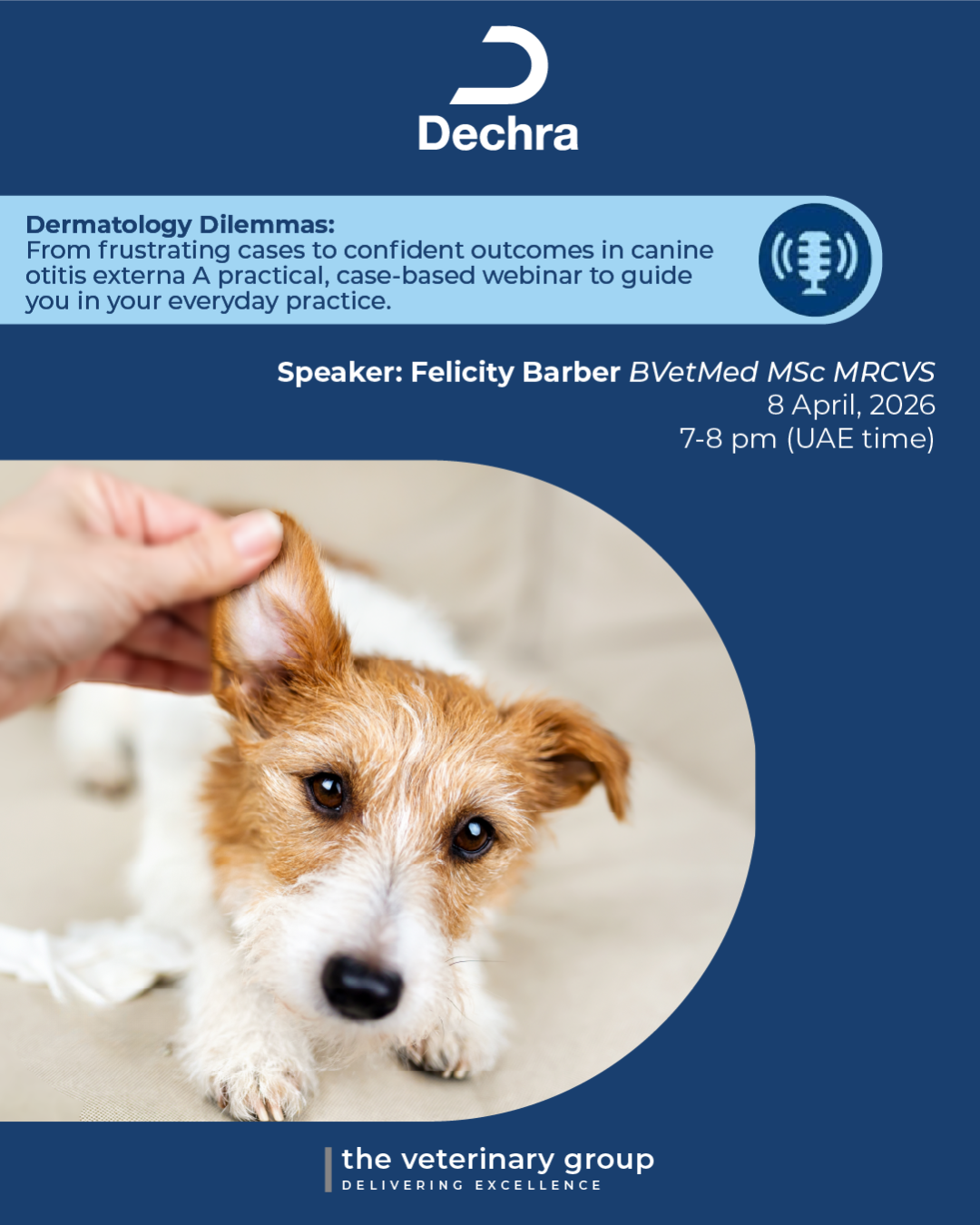
Advancing Canine Otitis Externa Management: Key Insights from the Dechra Educational Webinar (Dubai, UAE)
A practical, case-based approach to improving clinical outcomes in ear disease
Veterinarians across the UAE joined The Veterinary Group (TVG) and Dechra for the latest session in the Dechra Educational Series, focusing on one of the most common and often frustrating conditions in small animal practice: canine otitis externa.
This live webinar presented by Dr. Felicity Barber, BVetMed MSc MRCVS Technical Manager, DVP International - explored practical, evidence-based approaches to diagnosis, treatment, and long-term management-helping veterinary professionals move from recurring cases to more confident clinical outcomes.
Otitis externa is not a standalone condition
A key takeaway from the session is that ear disease does not occur in isolation and should always be approached as a multifactorial condition .
The webinar introduced Dechra’s structured framework:
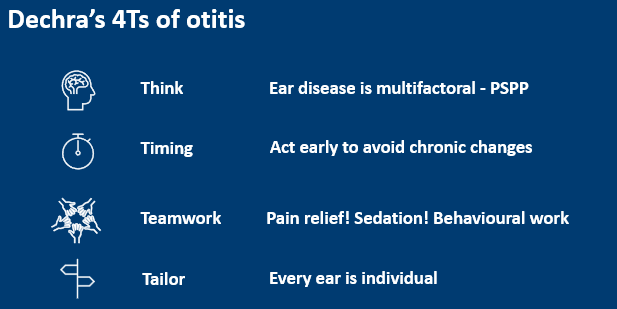
The 4Ts of Otitis Management
- Think – Recognise otitis as multifactorial
- Timing – Intervene early to prevent chronic changes
- Tailor – Individualise treatment for each patient
- Teamwork – Engage both the veterinary teamand pet owner.
This approach emphasises that successful management depends on identifying and addressing multiple contributing factors, not just treating symptoms.
Understanding the underlying causes: PSPP model
Effective diagnosis requires identifying the full disease picture using the PSPP model:
- Primary causes (e.g. allergies)
- Secondary infections (bacterial/yeast overgrowth)
- Predisposing factors (ear conformation, environment)
- Perpetuating factors (chronic inflammation, fibrosis)
As highlighted in the webinar, failure to address all four components can prevent resolution and lead to recurrent cases .
Why cytology remains essential in UAE veterinary practice
The session reinforced the importance of ear cytology as a core diagnostic tool, guiding:
- Identification of microbial populations
- Appropriate antimicrobial selection
- Monitoring treatment response
Without cytology, treatment decisions may lack precision-impacting outcomes and antimicrobial stewardship.

Treatment considerations: more than just medication
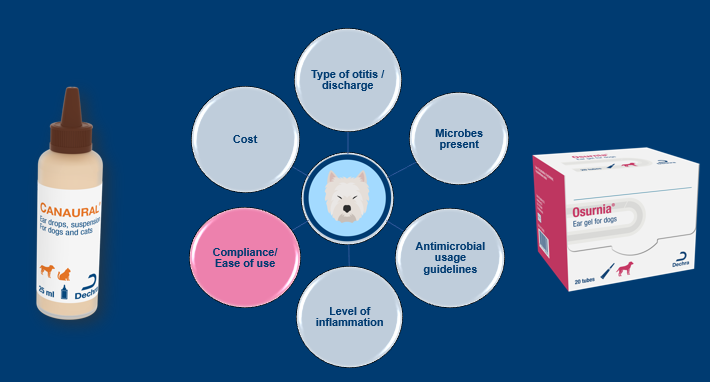
Veterinarians were encouraged to assess multiple factors when selecting treatment protocols:
- Type of otitis and discharge
- Microbial involvement
- Level of inflammation
- Antimicrobial guidelines
- Ease of use and owner compliance
- Cost considerations
Importantly, the webinar highlighted that compliance and ease of administration can significantly influence treatment success, especially in difficult patients.
Case-based learning: improving real-world outcomes
Through clinical case examples (such as “Sammy,” a recurrent otitis case), the session demonstrated how:
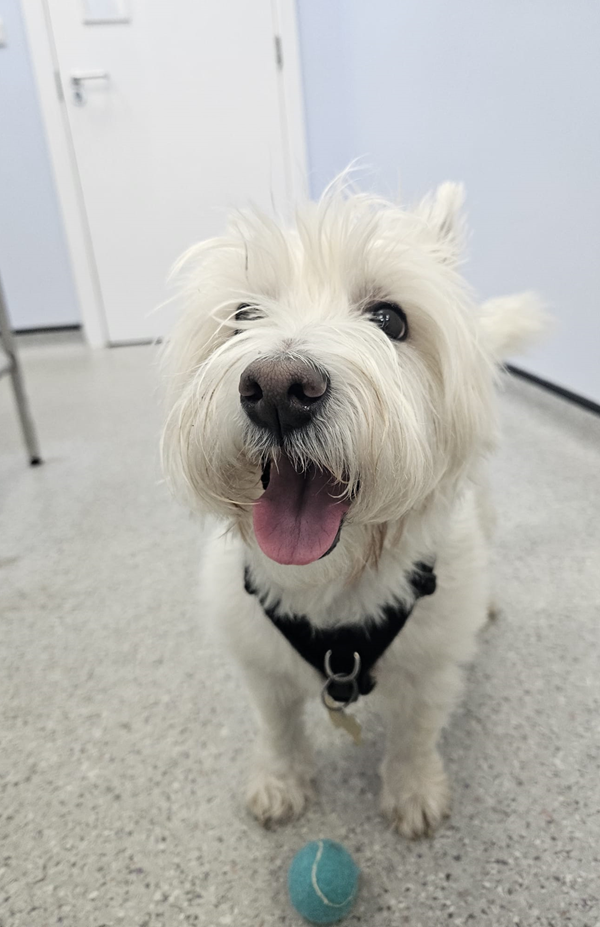
- Previous treatment challenges (e.g. difficulty administering drops) impact compliance
- Behavioural considerations must be addressed alongside medical therapy
- Each case requires an individualised plan
This reinforces the principle that “every ear is individual” in clinical practice .
Evidence-based outcomes: quality of life matters
The webinar also reviewed published data showing that treatment approach can influence both patient and owner quality of life.
A controlled study comparing treatment protocols found:
- Significant improvement in dog quality of life within 7–28 days
- Measurable improvements in owner experience and compliance
This highlights the importance of selecting therapies that are not only clinically effective but also practical for owners.
Long-term management: preventing recurrence
Successful otitis management extends beyond initial treatment.
The webinar outlined two key phases:
1. Induction Phase
- Ear cleaning
- Antimicrobial therapy
- Anti-inflammatory treatment
2. Maintenance Phase
- Regular ear care
- Ongoing management of primary causes (e.g. atopic dermatitis)
- Prevention of relapse
Long-term success depends on addressing the underlying condition—not just resolving acute symptoms .
Access the full resource materials
Veterinary professionals who want to deepen their understanding of otitis externa management can access:
- Webinar slides and case discussions - See presentation here
- Cytology reference materials - Resource link
- Clinical resources and tools - 4D Ear model
- Pet owner support site - Lifelong Ear Partnership
👉 Access the product ordering pages for Dechra (Malacetic, Osurnia & Canuaral)
Stay connected for upcoming sessions in the Dechra Educational Series. speak to our team at sales@thevet.group or contact us at +971 6 5395443
Loading...