How Can I Improve My Horse Performance
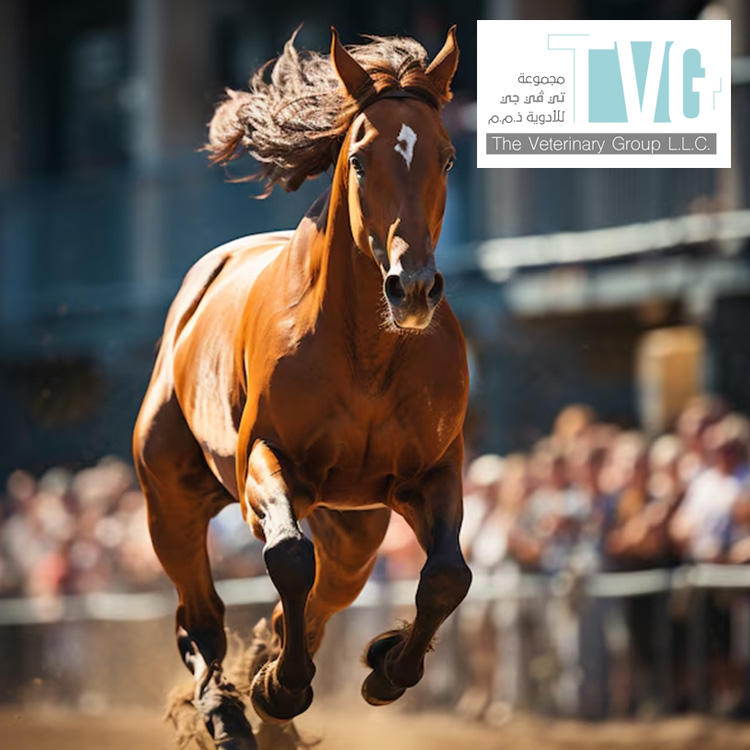
Improving equine performance, whether in training for competitive events or just to make your horse feel and move better, takes a strategic approach. Genetics, environment, and training are important factors- among them, nutrition can be described as a pillar of long-term enhancement. Particular attention will be paid to the aspects of feeding, body condition, and recovery.
Learn To Read Fuel Requirements
The body of a horse depends on carbohydrates and fats as the primary source of energy. The percentage of fuel consumption is decided by the kind of activity; long-distance trail riding will consume a smaller percentage of fuel than short, intense activities such as jumping.
1. Aerobic employment (e.g., endurance riding) mainly oxidises free fatty acids.
2. Anaerobic exercise (e.g., sprinting, show jumping) relies more on carbohydrate-derived glucose.
But in reality, a horse consumes both energy sources to a differing extent in all activities. This is why it is necessary to have a balanced diet that contains fats and carbohydrates. Here is where a good quality performance horse feed may really pay off, as it will assist in providing both forms of energy in the correct proportions.
Pre-Exercise Feeding Plan
Feeding before an exercise influences a horse’s performance. Two to three hours prior to exercising, grain-based meals can reduce circulating glucose as well as free fatty acids; both are important sources of energy during physical activity.
Rather, have a small hay meal a few hours prior to work. Forage is a source of fibre that does not exhaust fuel reserves or raise heart rate unnaturally. It is important to remember that pre-exertional meals can also cause an increase in body weight, as well as decrease the volume of blood plasma, which has an adverse impact on performance.
When your horse is competing in the morning, his last grain-based meal should be provided in the evening of the previous day. After that, feed them light hay on the day of the competition. In the case of afternoon events, grain may be fed in the morning and a light snack of hay nearer to the event.

Fuel Stores After Exercise
When the job is completed, then recovery becomes the focus. It is most effectively carried out two hours after exercise. After the exercise, a concentrated mixture provides your horse with carbohydrates to fill the tank again.
A horse that works on consecutive days, e.g., in endurance riding or three-day events, needs to have its glycogen stores restored after each exercise to avoid fatigue and remain alert. The appropriate performance horse feed selected following training aids in speeding up the recuperating process, replenishing fuel stores, and assisting in further development.
Increase Endurance Capacity with Fat Supplementation
There are numerous benefits of feeding fat. Due to fat being an energy-rich nutrient, the calorie content of fat is greater than that of carbohydrates. It is also more efficient at generating less internal heat during the digestive process, keeping horses cooler, a benefit in hot climatic regions.
Fat supplementation enhances Anaerobic and aerobic performance. In horses undergoing high-intensity exercises, fat enhances muscle glycogen storage. This makes it possible to have longer and more intense sessions without premature tiredness. Dietary fat stimulates glycogen during moderate or prolonged exercise.
The result is that the horse is able to utilise more fat as an energy source and save the muscle glycogen from being utilised at a later time. Fat should be added gradually over a period of two to three weeks. The easy transition maintains the health of the gut and avoids digestive upsets.
Buy Quality Feed and Veterinary Advice
This is essential in a balanced ratio, depending on the workload and discipline of your horse. Inappropriate choice of feed may lead to stamina problems, lack of concentration, or digestive disturbances. Consult a professional vet or a reliable veterinary supplier before you plan to make a diet plan for your horse.
Veterinary suppliers can offer more than medication; in most cases, they give advice on feeding, analyse blood work, and recommend supplements. Does your horse have special performance or medical needs? Working together with your vet will keep your horse at its peak of health.
In some situations, supplements can be of use, e.g., for joint support or the management of ulcers. These, however, should be used to supplement a good basic diet and not taken in place of the diet.
Reduce Stress to Maximise Production
Performance output may be compromised by environmental and mental stressors such as frequent transport, noise, or an unfamiliar environment. Establish a relaxing regimen. Maintenance, grooming, and tacking habits should be regular. Warm-ups and cool-downs are to be slow and conscious.
Provide turnout and company if available. Horses that are mentally balanced will be more responsive to training and will recover more readily following exertion. Digestion is another area that is influenced by stress, meaning that mental health has a direct impact on feed utilisation and nutrient absorption.
Training Supplemented With Nutrition
Conditioning and nutrition should go hand in hand. A horse that is not trained despite the amount of food that is given to it will not show its best. Alternate aerobic and anaerobic conditions in the workout of your horse. Strength, coordination, and responsiveness can be developed through groundwork, pole work, hill training, and gallops.
Look out for any indication of tiredness or overtraining, which would include reluctance to work, loss of weight, or stiffness. These might spell out dietary adjustment or rest--and it is at such times that the suggestion of a veterinary supplier can be of helpful information.
Conclusion
Enhancing the performance of your horse is a journey with many faces. Whether it is scheduling meals or body condition, each detail matters. An appropriately planned meal can assist in supplying energy in forms that your horse works best.
The professional guidance of a veterinary supplier will ensure that you are on the right path with your nutrition decision and health care. Through observing, correcting, and encouraging your horse on a regular basis, you open the doors to excellence in the arena and on the trail as well.
Loading...