What is the Best Nutrition for Horses
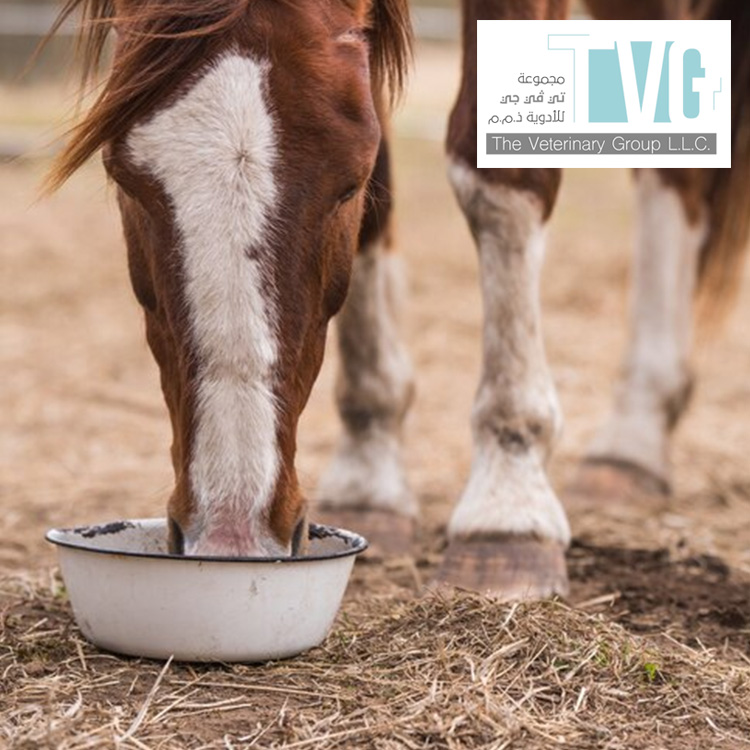
Good nutrition is the basis of a healthy, active and long-living horse. A number of factors, such as age, activity level, health status and climate, play a role in a horse's dietary needs. As a result, having a well-planned yet science-based approach to feeding is essential. Whether a peak-performing athlete or the quiet backyard friend, your horse benefits from good nutrition both internally and externally.
This blog discusses the best nutrition for horses and the mechanisms of the equine digestion system. It also provides an overview of optimal feeding habits and how proper equine supplements from an authentic veterinary supplier in Dubai make a difference.
An Overview of the Equine Digestive System
The digestive system of a horse is unique and sensitive. It takes a horse around 45 hours and 72 hours to digest food. This system is compartmentalised into the foregut and the hindgut to process small portions of fibrous food instead of large meals.
The stomach and the small intestine absorb proteins, fats, starches, vitamins and minerals. Fermentation of fibre by microbes occurs in the hindgut. That is why forage, such as grass and hay, should constitute the major food source for any horse.
Since horses produce stomach acid continuously, steady consumption of forage is a proven method to overcome gastric ulcers and other problems with the digestive system. Horses usually need to consume 1 to 2 % of their body weight in forage intake per day.
Essential Nutrients Every Horse Needs
A balanced diet for horses includes six major nutrient categories, each of which plays an important role. These are:
· Carbohydrates: They are the primary energy source, especially structural carbohydrates found in the forage.
· Fats: This provides concentrated energy and is particularly important for horses with low tolerance to starches.
· Protein: These are broken down into amino acids and stimulate the growth of the muscle, hooves, skin and organs in the body.
· Minerals: They are important in bone growth, transportation of oxygen, and enzymes.
· Vitamins: These are required in small quantities for metabolism and resistance to diseases.
· Water: Constitutes up to 75 percent of a horse's body and is mandatory in all physiological functions.
To address any possible gaps in these nutrients, you may turn to a veterinary supplier in Dubai to find alternatives and supplements depending on your horse's age, lifestyle, and environment.
The Basis of Proper Nutrition: Forage

Your horse should be on high-quality forage, such as pastures and hay, as the primary components of its diet. This promotes good bowel movements and a consistent energy level and takes care of the teeth through natural chewing.
Most horses should be fed Timothy or Bermuda grass hay. More calcium and energy content makes alfalfa hay suitable for a lactating mare or a high-performing horse.
Pasture is a very good source of natural food. However, always track the quality of pasture and do not allow horses to graze on grass that is too green or over-graze.
Grains, Concentrates and Their Use
Concentrations such as oats, barley, and corn are usually introduced into the diet since they add extra energy, especially for working horses. Nevertheless, they should never be used as a replacement for forage; they should only be used in addition.
The safest grain is oats, which contain fibre and are easily digested by the body. Grains are high in phosphorus and low in calcium, so balance is key. An excess of grains may imbalance the microbial balance within the hindgut and cause such disorders as colic.
In this regard, a proper Equine supplement helps meet nutritional demands without excess dependence on grains.
Importance of Equine Supplements
Supplements can be helpful when given in the right way and in the right dose. They have the potential to aid in joint health, digestion, coat condition and fill gaps in diets concerning vitamins and minerals.
When selecting the proper Equine supplement, it is important to understand what your horse needs, the quality of the basic diet, and if anything in the surrounding environment is causing stress to the horse. For example, hot climates might mean horses need electrolytes, and older horses may need joint-support products.
Feeding for Life Stages and Conditions
Nutrition is not static. It has to change according to the stage of life and your horse's activities.
· Foals and young horses need higher amounts of protein and minerals to grow fast and develop bones. To prevent skeletal disorders, avoid over-feeding of grain.
· Performance horses require more energy, protein, and even fat to help sustain stamina and muscle size.
· Pregnant or lactating mares have special dietary needs. Calcium, phosphorus and amino acids must be in balance.
· Older horses may require softer feeds, extruded grain, or soaked pellets since they may have dental problems. They also benefit from supplements that help them with digestion and joint function.
Efficient Equine Feeding Practices
The following are the essential tips about feeding horses efficiently:
· Horses live on regularity. Provide feed at the same times of day and distribute meal times (2-3 times) to replicate natural grazing.
· Introduce any new feeds or supplements gradually over 5 to 7 days.
· Measure your feed by weight and not by volume to prevent the risk of under-feeding or over-feeding.
· Ensure constant access to clean water.
· Take advantage of feeding equipment by feeding hay in nets or racks to prevent wastage and contamination of the ground.
Weight checks, body scoring and blood panels are fantastic methods of determining whether or not your feeding schedule is doing the job.
Conclusion: Ensure the Best Equine Nutrition
Nutrition is not just feeding. It is a lifetime investment in your horse's health, life span and performance. It is all about finding the balance in feeding, from understanding the mechanism of the equine digestive system to selecting the correct forages, grains, and Equine supplements.
No two horses are the same. Their nutrition needs vary depending on age, activity level, and environment. Whether you're caring for a foal, a racehorse, or a retired companion, make informed and well-researched choices. Consult with a professional so that every feeding period is a step to better health.
Loading...